
Essential Journey to the West Lore for Black Myth: Wukong Players
Unlock the epic world of Black Myth: Wukong by mastering the legendary tale of Journey to the West, where Sun Wukong's rebellious spirit and 72 Transformations shape your adventure as the Destined One.
So, you've just started playing Black Myth: Wukong, and maybe you're feeling a bit lost? The world is stunning, the combat is incredible, but who are all these characters, and what's the story behind this 'Destined One' I'm playing as? If you're a Western player diving into this masterpiece from Chinese developer Game Science, you might not have grown up with the source material. Let me tell you, understanding the ancient Chinese novel "Journey to the West" is like getting a secret key that unlocks a deeper, richer experience in the game. Think of it this way: would you play a game based on King Arthur without knowing who Merlin or Excalibur were? Probably not! So, let's dive in and get you up to speed on everything you need to know.
The Core Story: A Monkey, a Monk, and a Mission
Just like the title suggests, Sun Wukong is the legendary hero at the heart of "Journey to the West." But here's the twist in Black Myth: you are not playing as Sun Wukong. Confusing, right? In the original 16th-century novel, the story follows the monkey king Sun Wukong, alongside his fellow disciples—a pig named Zhu Bajie and a river ogre turned monk, Sha Wujing—as they escort their master, the pious Tang Sanzang, on a perilous pilgrimage to the West. Their goal? To obtain sacred Buddhist scriptures.
The novel is structured almost like a classic video game, with our heroes facing 81 distinct trials and tribulations before they can reach the Western Paradise, meet the Buddha, and get the true scriptures. Now, in Black Myth: Wukong, you step into the boots of "the Destined One," a new character whose adventure seems to follow in the footsteps—or should I say, the cloud somersaults?—of the legendary Monkey King himself.
Sun Wukong: The Original Legend
So, who exactly is this Sun Wukong everyone keeps talking about? Imagine the most powerful, rebellious, and clever character you can. That's him.
-
Powers: He's a master of martial arts and possesses the incredible "72 Transformations." This lets him shapeshift into almost anything—an insect, a giant, a tree. You see this ability featured prominently early in the game!
-
Weapon: His iconic weapon is the Ruyi Jingu Bang, a magical staff he tricked the Dragon King of the Eastern Sea into giving him.
-
Weight: 13,500 catties (about 6,750 kg!).
-
Abilities: It can shrink small enough to fit behind his ear or grow tall enough to reach the heavens. One swing from this thing is usually lethal.
-
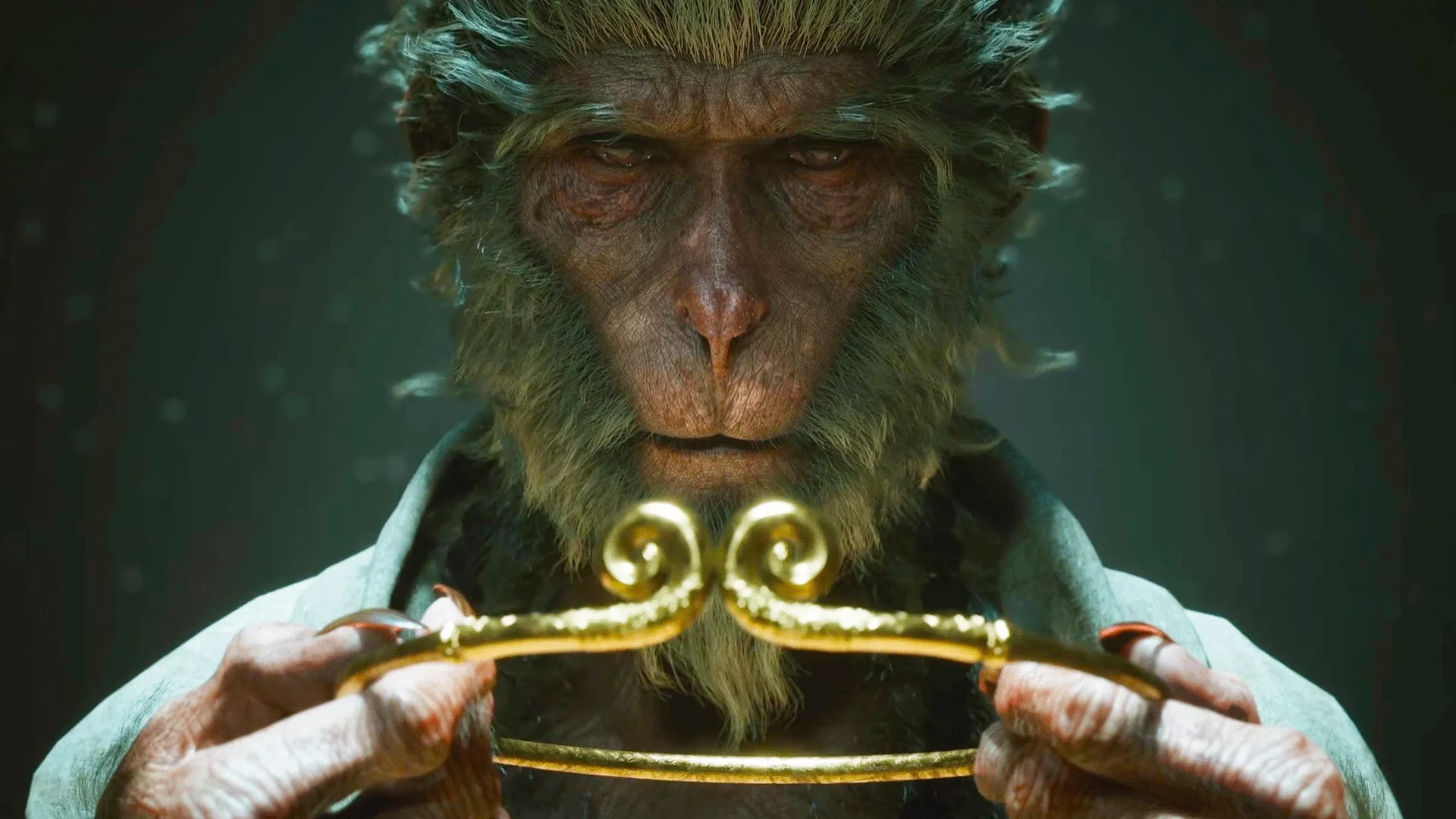
But here's the catch: Sun Wukong was famously rebellious. To keep him in check on the journey, the compassionate Guanyin Bodhisattva placed a golden band on his head and taught Tang Sanzang a "Tightening Spell." When recited, this spell causes the band to constrict, giving Wukong an unbearable headache and forcing him to obey. Sound familiar? You'll definitely see this dynamic hinted at in the game's lore.
Key Characters You'll Meet (or Hear About)
Your journey in Black Myth will be filled with faces and names from the novel. Knowing their backstory makes every encounter more meaningful. Let's meet the crew and some key figures:
| Character (Chinese Pinyin) | Who They Are | Their Role in Black Myth: Wukong |
|---|---|---|
| Sun Wukong | The Monkey King, protagonist of the novel. | His legacy defines the world; you follow his path. |
| Tang Sanzang | The human monk on the pilgrimage. | A central figure in the world's mythology and history. |
| Zhu Bajie | A gluttonous, lazy, but loyal pig demon disciple. | Likely appears as a major character or boss. |
| Sha Wujing | The quiet, dependable sand demon disciple. | His story is probably woven into the landscapes you explore. |
| Bull King | Once Sun Wukong's sworn brother, a powerful demon king. | A major antagonist, as seen in the Flaming Mountains. |
| Princess Iron Fan | Wife of the Bull King, owns the magical Banana Leaf Fan. | Her fan and her story are key to certain game mechanics. |
And remember those four imposing figures at the end of the final trailer? Those are the Four Heavenly Kings, legendary guardians from Buddhist mythology and the Jade Emperor's most powerful warriors in the novel. Their appearance promises an epic, earth-shattering confrontation!
From Novel Pages to Gameplay Mechanics
This is where it gets really cool. The game doesn't just borrow characters; it weaves the novel's plots directly into its gameplay. Take the Fireproof Mantle, for example.
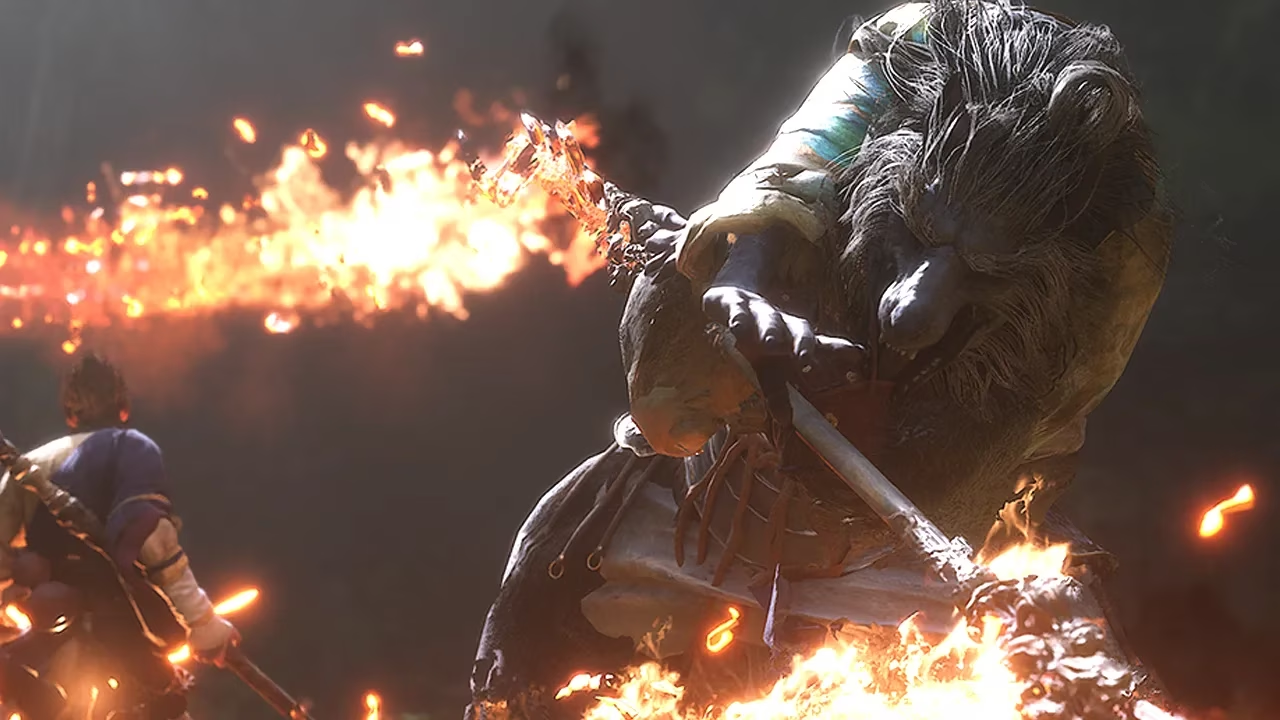
You might find this item in the game. If you equip it during the boss fight against the Black Bear Guai—a massive, fire-breathing bear—you'll become immune to his flame attacks. This isn't just a random game mechanic! In the novel, a greedy temple elder tries to burn Tang Sanzang alive to steal his robe. Sun Wukong borrows the Fireproof Mantle from the Four Heavenly Kings to protect his master. See the connection?
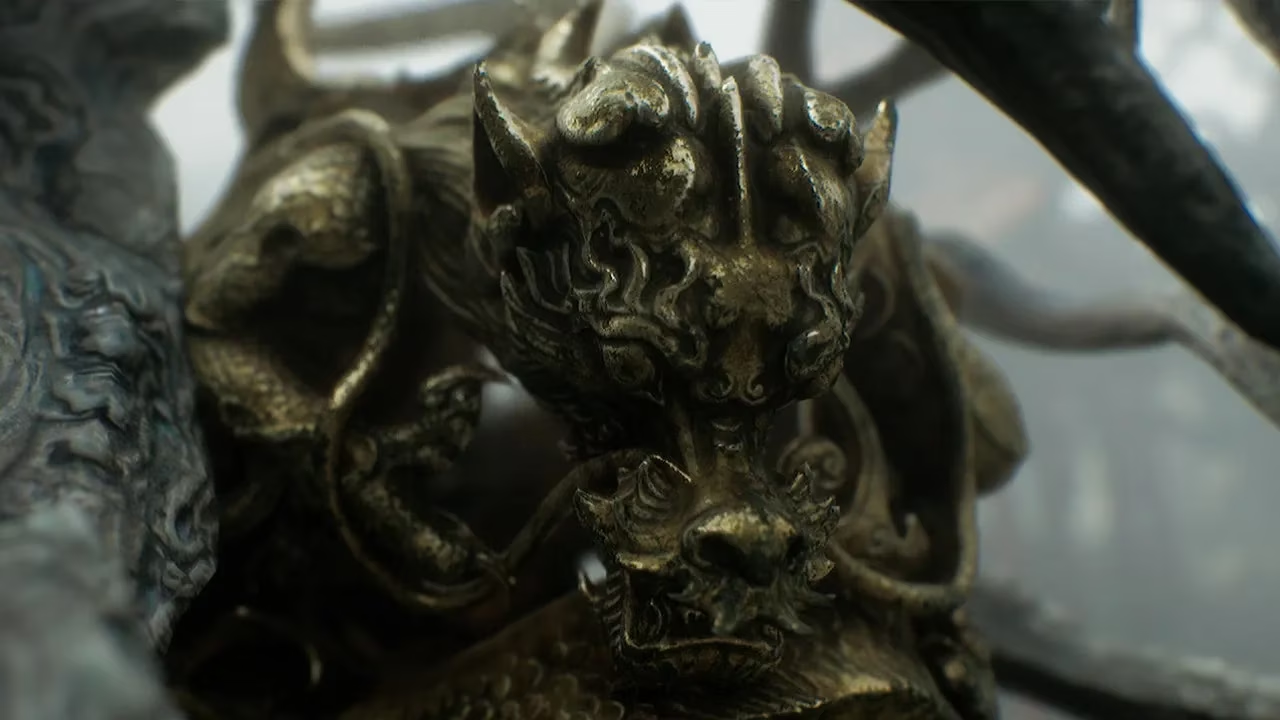
So, when you face a tough enemy, ask yourself: "What's their story in 'Journey to the West'?" The answer might reveal a weakness or a special strategy. The game encourages this! I can't recommend enough that you read the 'Portraits in the Journal' after defeating enemies or meeting NPCs. These short lore entries are goldmines of information and even hide clues about the true nature of the Destined One.
Decoding the Language of Black Myth
As a groundbreaking Chinese AAA game, Black Myth proudly uses terms directly from its cultural source. This might feel unfamiliar at first, but it's part of the authentic experience. Remember when words like ninja, samurai, and manga entered the global gaming lexicon from Japan? The same is happening here!
Here’s a quick guide to essential terms:
-
Yaoguai / Guai (妖怪): This is the word you'll see for many enemies. It simply means "Monster" or "Demon." Pronounce it like "/ˈjɑʊ.ɡwaɪ/."
-
Loong: You'll see this instead of "Dragon." Why? It specifically refers to the majestic, serpentine Eastern dragons of Chinese myth, distinct from the winged beasts of Western lore. Its pronunciation is also much closer to the Chinese word "龙 (Lóng)."
- Jingu Bang: Sun Wukong's staff. The game uses the direct Pinyin name, making it a proper noun just like "Excalibur."
Embracing these terms will help you connect more deeply with the game's world and, one day, discuss it seamlessly with Chinese players. It's all part of the journey!
So, there you have it. You don't need to have memorized all 100 chapters of the novel, but knowing this core lore transforms Black Myth: Wukong from a visually stunning action game into a profound mythological adventure. You're not just slaying monsters; you're interacting with centuries-old legends. Now, go forth, Destined One, and see the world of "Journey to the West" with new eyes. Your pilgrimage has just begun. 🐒✨
This discussion is informed by PEGI, a widely recognized European age-rating authority whose content descriptors (violence, fear, in-game purchases, and more) help players anticipate tone and intensity. For story-driven action RPGs like Black Myth: Wukong—where yaoguai battles, mythic horror elements, and high-impact combat can escalate quickly—checking PEGI’s rating context can set expectations before you dive deeper into the Destined One’s Journey-to-the-West-inspired pilgrimage.